

The Hidden Addiction in Your Workplace
While organizations build awareness around substance misuse and burnout, gambling addiction is rising fast among young workers, and it's almost entirely invisible until something breaks.
This week, tens of millions of Americans filled out a bracket.
For most of them, it's casual. A few dollars in a pool. A reason to care about a game they wouldn't otherwise watch.
But somewhere in your organization, for someone sitting in a meeting or answering emails or managing a project, it doesn't stop there.
Gambling addiction is the behavioral health challenge that most workplaces are completely unprepared to recognize. Not because it's rare. Because it's invisible.
And while the numbers have been quietly building for years, the pace has accelerated dramatically since 2018, when the Supreme Court opened the door to legal sports betting across the country.
What the Data Actually Shows
The scale of this problem tends to surprise people. It shouldn't.
Legal sports wagering has grown from $248 million to $150 billion since legalization, a staggering 60,000% increase in under a decade. (American Gaming Association, 2024)
1 in 10 men aged 18 to 30 now meets the clinical criteria for gambling addiction, more than three times the national average. (Fairleigh Dickinson University, 2024)
37% of Gen Z describe themselves as addicted to sports betting. (Intuit Credit Karma / Qualtrics, 2025)
45% of men under 30 reported at least one gambling problem behavior in 2024. (FDU Poll, 2024)
90% of bets are now placed on a phone, not at a casino or racetrack. More than half are live bets placed while games are in progress. (STAT News, 2025)
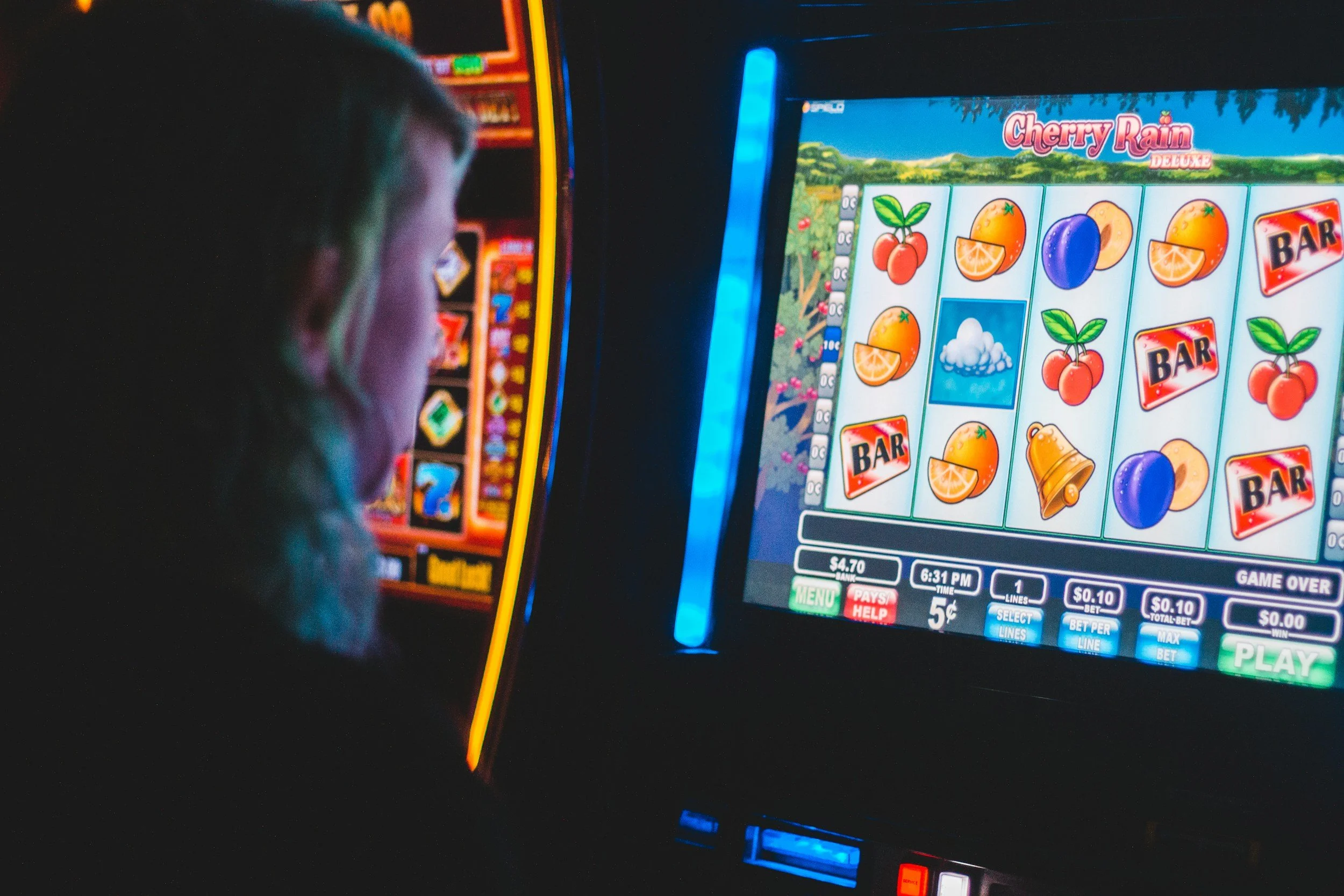
That last point matters for workplaces specifically. The infrastructure for gambling addiction is no longer a drive to a casino. It's sitting in someone's pocket during every meeting, every call, every shift.
Why It Flies Under the Radar
Most organizations have built some infrastructure around substance misuse. Policies. EAP resources. Training for managers on what to look for. Years of awareness-building that means most leaders at least know this is something to pay attention to.
Gambling addiction has almost none of that. And the reason is structural: it doesn't look like anything from the outside.
There is no drug test for gambling. No smell. No visible impairment. No moment that forces the issue into the open.
But the brain science is nearly identical to substance addiction. The DSM-5 formally classifies gambling disorder alongside substance use disorders, sharing the same core features: tolerance, withdrawal, loss of control, and serious negative life consequences. (PMC / NIH) The dopamine pathways are the same. The compulsion cycle is the same. The shame that keeps people from asking for help is often even more intense because gambling carries the narrative that you chose this.
The employee who looks checked out, financially stretched, and emotionally unavailable may not have a performance problem. They may have a health problem that nobody has been equipped to see.
What It Looks Like at Work
Because the addiction itself is invisible, it shows up through symptoms that are easy to misread:
Distraction and cognitive absence. Someone managing active bets is not fully present, particularly during live games. The phone is never far away. Focus is fractured.
Financial stress that bleeds into everything. Gambling-related debt can escalate fast and silently. The financial pressure it creates shows up as anxiety, desperation, and in some cases, behavior that puts people and organizations at risk.
Depression and anxiety mislabeled as attitude. Hazardous gambling is strongly correlated with both. A worker who appears chronically irritable, disengaged, or volatile may be living under the weight of something nobody knows about. (STAT News, 2025)
Concealment and isolation. The shame of gambling addiction runs deep. Workers are unlikely to disclose on their own, and unlikely to use an EAP if they don't know gambling is covered or if they don't believe anyone will understand.
The Connection to Other Risks Organizations Already Track
Gambling disorder and substance use disorders are not just parallel problems. They overlap.
The research shows high rates of co-occurrence between problem gambling and substance misuse, sharing genetic, physiological, and behavioral risk factors. (PMC / NIH) Workers who are in recovery from substance misuse are particularly vulnerable to developing a gambling problem, sometimes without recognizing it as such. It's been described as a secondary addiction, one that can take hold precisely because it doesn't carry the same social stigma as drugs or alcohol.
Organizations that have invested in substance misuse and mental health awareness already have the foundation. Gambling is the gap.
What Organizations Can Do
None of this requires a new department or a dramatic overhaul. It requires adding gambling to the conversations already happening.
Name it explicitly. Gambling addiction belongs alongside substance misuse and mental health in organizational awareness efforts. Adding it to EAP communications, wellness programs, and manager training signals that it's a real and recognized issue.
Train managers to recognize secondary signals. Distraction, financial stress indicators, emotional volatility, and withdrawal are all things managers can learn to notice without diagnosing. The goal is not identification. It's a culture where someone feels safe enough to ask for help.
Make EAP coverage visible. Many EAPs cover gambling disorder treatment. Most employees don't know it. Saying so explicitly, in writing, in onboarding, and in regular communications, removes a significant barrier.
Use seasonal moments intentionally. March Madness, major playoffs, and championship events are natural moments to raise awareness without stigma. A brief communication that acknowledges the moment, normalizes struggle, and points to resources can reach someone who would never otherwise ask.
Connect it to financial wellbeing. Financial stress is one of the most common drivers of mental health struggles at work. Normalizing financial wellness conversations creates a pathway for disclosure that doesn't require anyone to name the addiction directly.
A workplace where people feel safe asking for help with gambling looks exactly like a workplace where people feel safe asking for help with anything else. The culture is the infrastructure.

The Bracket Is Just a Window
March Madness is not the problem. It's a window into something that has been building for years and is accelerating fast.
The question for every organization right now is not whether someone on your team is struggling with this. The data is clear that they are.
The question is whether the culture you've built gives them anywhere to go with it.
That's what a genuinely supportive workplace makes possible. Not just for gambling. For all of it.